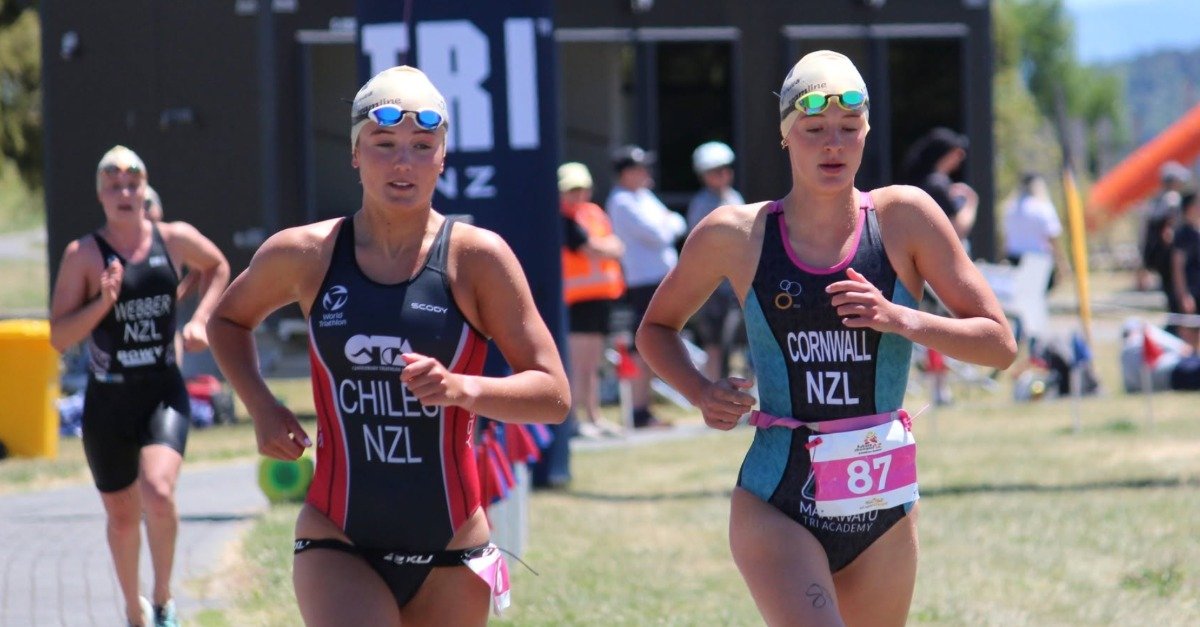
🇳🇿 With exactly one month until the Tri NZ Junior Series gets underway at the iconic Tinman Triathlon in Mt Maunganui, the next generation of New Zealand swim, bike and run talent has more reasons than ever to be training hard.
The topline details for 2026-2027 include five events, separate North and South Island rankings to promote equality of opportunity and the prospect of a place at a 22-athlete Tri NZ development camp at the end of it all.
With a new event in Timaru, the real beauty of the Tri NZ Junior Series is a format that allows Under 20s and U17s more opportunities to race against their peers and take the next step in their development — without necessarily requiring families to foot the bill for expensive inter-island travel.
Keeping participation as accessible as possible and providing athletes the length and breadth of New Zealand the chance to be seen by Tri NZ talent scouts is central to the series’ purpose.
Athletes will be ranked against competitors from their home island, based on their triathlon club, with separate North and South Island rankings published throughout the season. The format rewards consistency across multiple disciplines and gives juniors a tangible target as they develop their racing experience.
The leading athletes will be selected for a 22-athlete development camp with Tri NZ High Performance coaches and athletes, planned for March-April 2027, with timing and venue to be confirmed soon.
The opening event of the new Tri NZ Junior Series season offers an appropriately big stage.
Hosted by Triathlon Tauranga, Tinman falls on the biggest day on the New Zealand triathlon calendar, alongside World Triathlon Cup Tauranga and the Tri NZ Suzuki Series Standard Distance Age Group Championships.
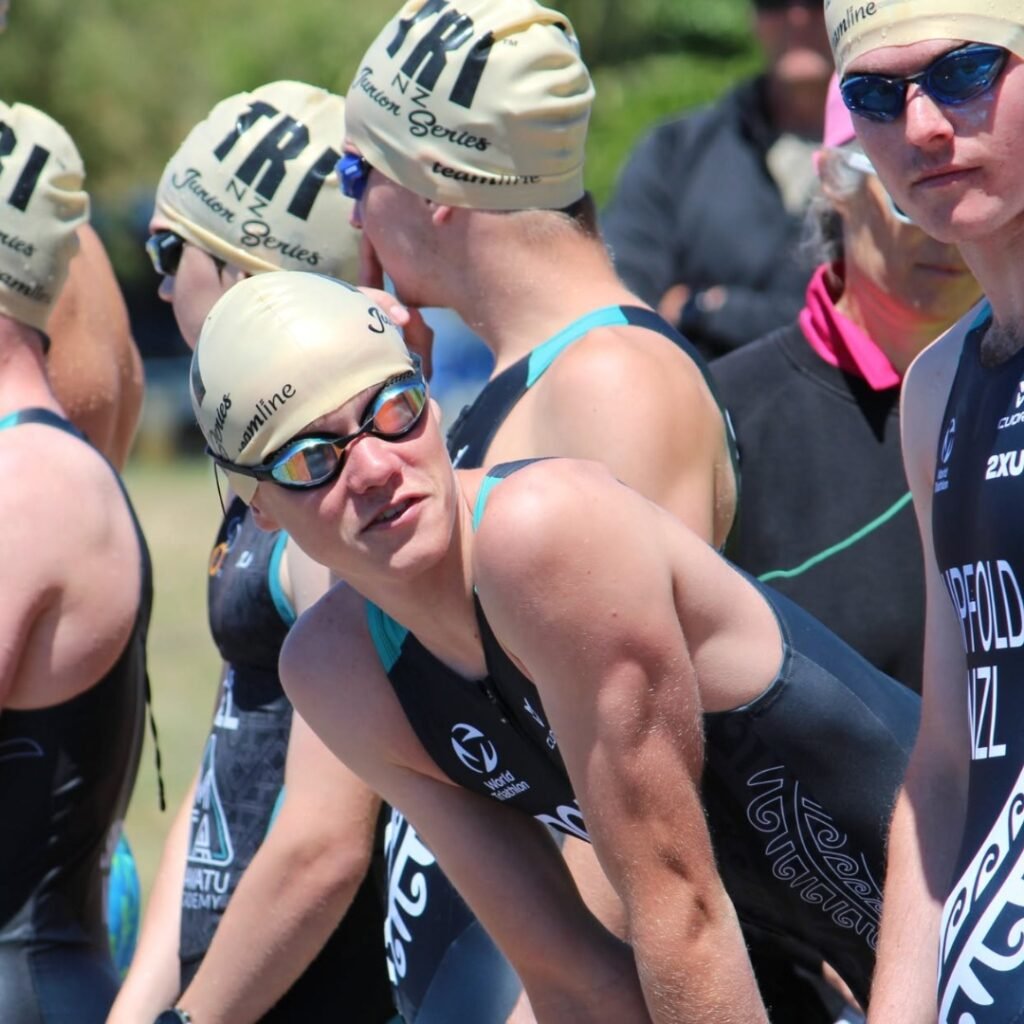
Five events, two island competitions
The Tri NZ Junior Series features three North Island events and two South Island events, giving athletes opportunities to compete throughout the season.
North Island
- November 22 – Tinman Triathlon (Mt Maunganui): U17 athletes race the Short Course, while U20 athletes compete over the Sprint Distance.
- December 4-6 – Future ChampioNZ (Taupo): Returning for its second year, Future ChampioNZ provides another opportunity for junior athletes to race and develop.
- January 30-31 – RATS Blue Lake Multisport Festival (Rotorua): U17 athletes contest the Short Course Series across three events, while U20 athletes compete in the Prince/Princess of the Lake.
South Island
- December 13 – Waitomo Triathlon Festival (Christchurch)
- February 6-7 – Timaru Triathlon Festival (Timaru) More info to come
The Timaru Triathlon Festival is a new addition to the programme, organised by Tri NZ Canterbury Community Network Lead and veteran Canterbury event organiser John Newsom. The event has been added to ensure a second South Island opportunity, with its format will be confirmed soon.
Tri NZ Development Camp
The series rankings will determine the 22 athletes selected for a development camp with Tri NZ High Performance coaches and athletes. The camp is planned for the March-April 2027 period, with the final timing, venue and arrangements dependent in part on the still to be confirmed 2027 Oceania race calendar.
The intention is to align the camp with an event that brings together a wider cohort of Team NZL high performance athletes.
Selection places are allocated by island, age category and gender.
North Island – 12 athletes
- U17: Top four male and top four female athletes
- U20: Top two male and top two female athletes
South Island – 10 athletes
- U17: Top three male and top three female athletes
- U20: Top two male and top two female athletes
Rankings are based on each athlete’s home triathlon club, which determines their North or South Island allocation. The top athletes in each island’s age and gender categories will be selected to make up the 22-athlete camp.
The camp will be staffed and managed by a Tri NZ coaching team, with access to training facilities. Athletes will be responsible for their own travel, accommodation and food costs.
Further details will be confirmed as the planning process progresses.
More racing opportunities beyond the series
The Tri NZ Junior Series is not the only opportunity on the horizon for young triathletes looking to test themselves against their peers.
Two further events are worth adding to the calendar, although neither is officially part of the Tri NZ Junior Series:
• The Pacific Radiology New Zealand Schools Triathlon Championships will take place at Rabbit Island, Nelson, on March 18-19, 2027
• The Oceania Junior Triathlon Championships (U19) will also be held in 2027, with the date and venue still to be confirmed.
International opportunities also in focus
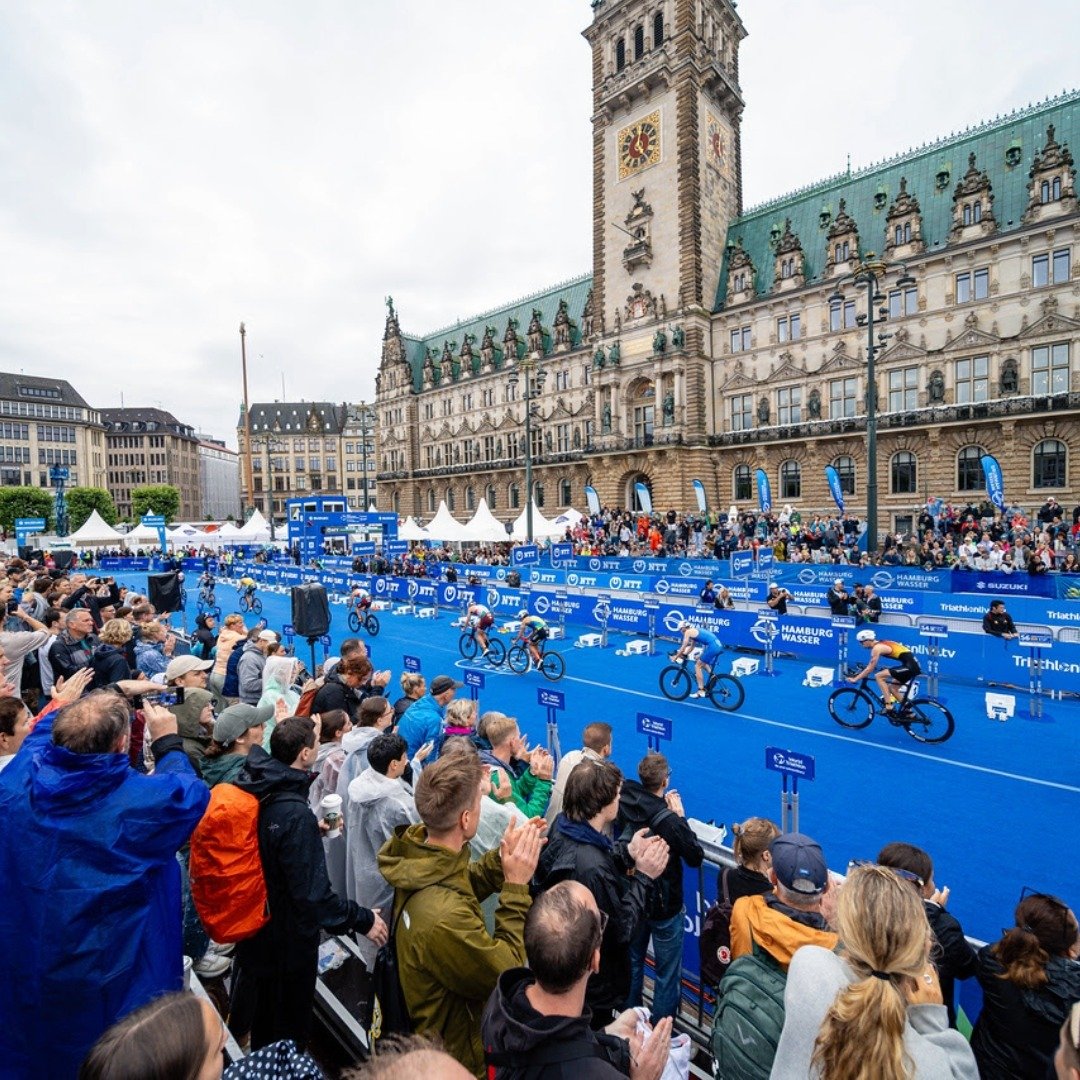
The Tri NZ Junior Series also provides a potential pathway towards the World Triathlon Age Group Championships in Hamburg, Germany.
For the Team NZL Age Group Team (16-19yrs), athletes who race in any Junior Series event and achieve a time within 20 percent of the winner’s time will be eligible for selection consideration.
Results will be collated and considered by the Age Group Selection Committee after the event. Tri NZ Age Group Manager Mel Saltiel will contact athletes post-event with information about selection and the associated logistics.
The Elite New Zealand Junior team selection process is separate, overseen by the Tri NZ High Performance team and an independent selection process. Tri NZ’s Elite Junior team for Hamburg will be selected following racing at the Oceania Junior Championships. Tri NZ will communicate with the athlete community once those details are confirmed.
The nitty-gritty: Tri NZ Junior Series rules and rankings
Who can be ranked?
Athletes must compete in a minimum of two Junior Series races to be included in the rankings. Events on either island count towards this minimum.
Age categories are determined using an athlete’s age on December 31, 2027. An athlete who turns 16 during 2027 races in the U17 category, while an athlete who turns 19 during 2027 races in the U20 category.
How does the points system work?
An athlete’s finishing position in each race determines their score: second place earns two points, third place three points, and so on.
Athletes aim to accumulate the lowest total score across their events. The best two results count for athletes who race more than twice.
For example, an athlete finishing second in one race and fourth in another would finish with six points for the series.
How are ties broken?
If athletes finish on the same points total, their triathlon race times are compared. For multi-discipline events, only the triathlon race portion is used.
The average percentage gap between each athlete’s time and the winner’s time at their common events determines the tie-break. The athlete with the lowest average percentage gap wins the tie.
For example, if John and Ben both finish on eight points, their results at two common events are compared.
John
- Tinman: 35:36, against a winning time of 34:25 — a 3.24% gap.
- Future ChampioNZ: 27.18, against a winning time of 27.01 — a 0.63% gap.
- Average percentage gap: (3.24 + 0.63) ÷ 2 = 1.935%.
Ben
- Tinman: 35.31, against a winning time of 34:25 — a 3.09% gap.
- Future ChampioNZ: 27.27, against a winning time of 27.01 — a 0.96% gap.
- Average percentage gap: (3.09 + 0.96) ÷ 2 = 2.025%.
John wins the tie because his average percentage gap is lower.
For more details, visit the Tri NZ Junior Series page.