Triathlon’s long-discussed “unification moment” continues to gather pace.
Following the landmark announcement late last year that World Triathlon and the Professional Triathletes Organisation (PTO) would enter a 12-year strategic partnership to launch a unified Triathlon World Tour from 2027, the next major piece of the puzzle has fallen into place.
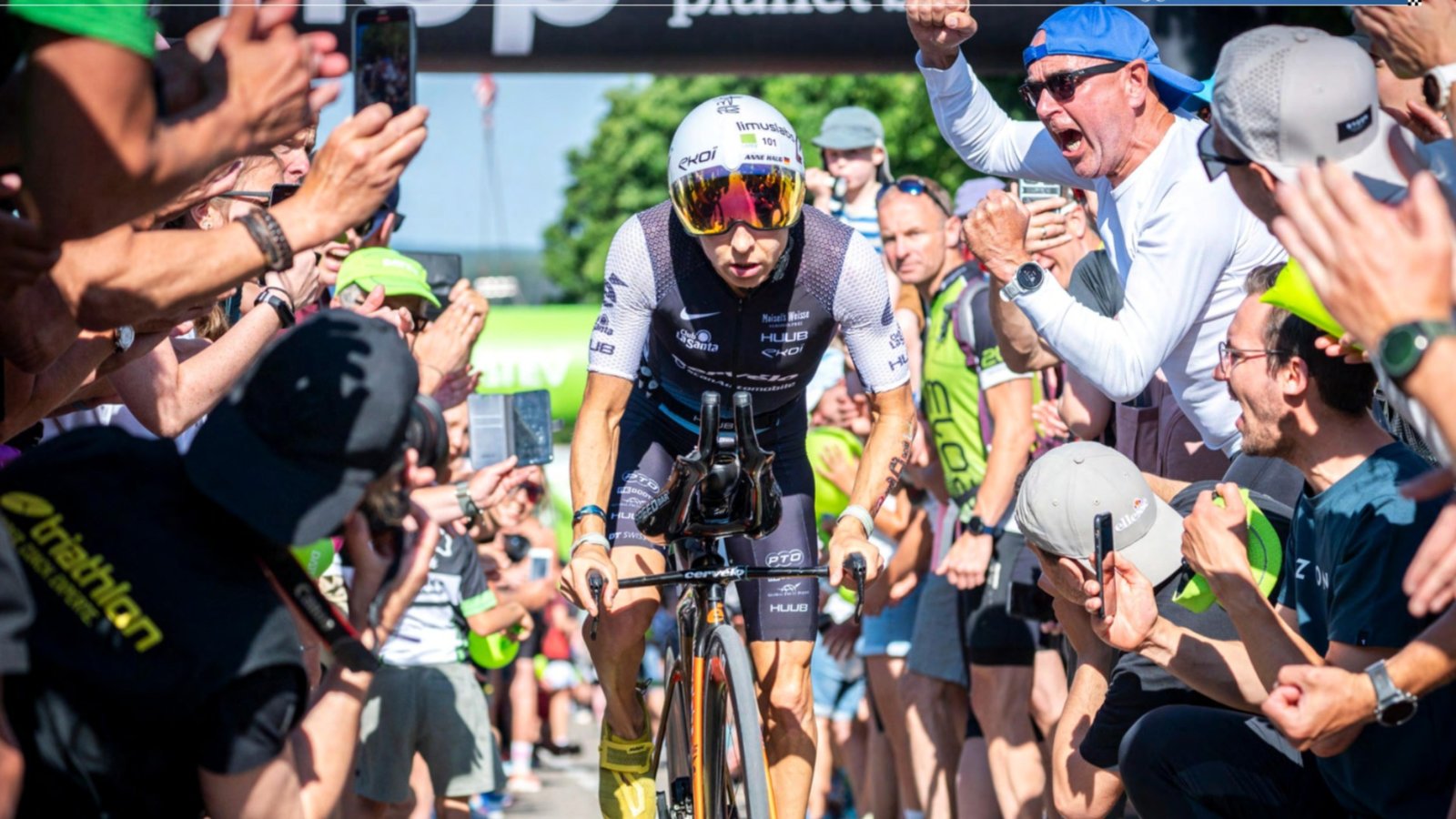
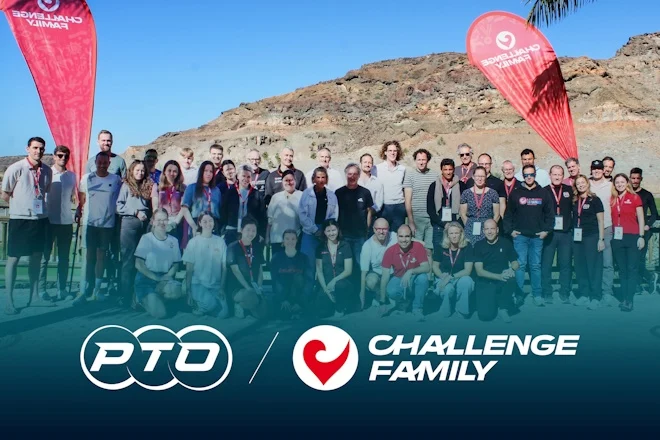
The PTO has now acquired a majority stake in Challenge Family, bringing more than 35 middle- and long-distance events – notably excluding the legendary Challenge Roth (main image) – into the framework of that emerging global structure.
It comes with the World Triathlon’s Championship Series (WTCS) set to be rebranded as the T50 World Championship Series from 2027, aligning it alongside the existing T100 Triathlon World Tour under one integrated ecosystem.
For a sport long criticised for fragmentation, competing calendars and commercial confusion, this is a seismic monent.
But what does it actually mean?
What Has Been Announced?
The key pillars of the latest announcement:
- PTO has acquired a majority shareholding in Challenge Family
- Challenge Family events will continue under their own branding through 2026
- From 2027, events will sit within the newly formed Triathlon World Tour
- The WTCS becomes the T50 World Championship Series
- The T100 remains the T100 World Championship Series
- A new Challenger tier will act as a development pathway beneath them
The structure, from 2027:
T50 – Olympic distance (formerly WTCS)
T100 – 100km distance world championship series
Challenger Series – progression tier
Expanded global event footprint – projected 80–100+ events annually
This move dovetails directly with the previously announced PTO–World Triathlon strategic merger, which set out to align governance and commercial rights under one long-term vision for the sport.
The Big Picture: Triathlon Is Consolidating
For years, elite triathlon has operated across parallel systems:
- World Triathlon (Olympic pathway and governance)
- PTO (commercial athlete-led middle-distance tour)
- Challenge Family (independent long-course organiser)
- Ironman (separate commercial powerhouse)
The World Triathlon–PTO agreement was the first step toward structural alignment.
The acquisition of Challenge Family accelerates that process.
It signals a deliberate consolidation — at least across three of those pillars.
The ambition?
A clearer global product for fans.
A stronger commercial proposition for sponsors.
A more navigable pathway for athletes.
The rebrand from WTCS to T50 is particularly symbolic. It signals a shift away from federation-led naming conventions toward a consumer-friendly, distance-driven product model.
T50. T100. Clean. Marketable. Broadcast-ready.
Why This Matters Commercially
Zoom out, and this is about more than race branding.
It’s about:
- Media rights alignment
- Global storytelling
- Sponsor clarity
- Calendar coherence
Triathlon has historically struggled to present a unified, easy-to-understand elite product. Casual fans often couldn’t distinguish between Olympic racing, PTO events, Challenge races, and Ironman championships.
By aligning World Triathlon, PTO and now Challenge Family within the same long-term framework, the sport is attempting to create something closer to:
- Tennis’ ATP/WTA tour model
- Golf’s structured global tours
- Formula 1’s single championship ecosystem
If executed well, it could increase broadcast value and global visibility. The reverse of that? The collaborating risks alienating traditionalists and over-commercialising a sport built on community.
What It Means for Elite Athletes
For professionals, this could mean:
- More race opportunities
- Clearer progression from Challenger level to T50 or T100
- Greater prize money stability (if commercial growth materialises)
- More defined seasonal narratives
But it also centralises power.
Athletes who fall outside the Triathlon World Tour structure may find fewer pathways to visibility.
The integration of Challenge Family strengthens the middle-distance ecosystem under the same umbrella but reduces the number of major independent players in the space.
And What About Age-Groupers?
Challenge Family has long prided itself on delivering strong age-group experiences. For now, those races remain branded as Challenge events through 2026.
The long-term question?
Will age-group racing become more tightly integrated into a global Tour narrative — or remain largely operationally independent?
There is opportunity here:
- Clearer qualification pathways
- Stronger event storytelling
- Greater global recognition
But there is also risk:
- Commercial priorities overriding community ethos
- Increased standardisation across traditionally localised events
Triathlon’s grassroots base will be watching carefully.
The WTCS to T50 Shift: More Than a Name Change
Renaming the WTCS to T50 isn’t cosmetic.
It reflects a philosophical shift that began with the PTO–World Triathlon agreement, one that leans into commercially driven presentation while maintaining Olympic governance foundations.
The sport’s Olympic backbone remains intact. But its presentation is changing.
T50 becomes part of a broader portfolio, not the sole pinnacle.
What Happens Next?
2026 will be transitional:
- Challenge Family continues under its existing brand
- T100 operates as scheduled
- WTCS races take place before the full T50 integration
Then 2027 becomes launch year for the Triathlon World Tour.
The key unanswered questions:
- How will Ironman respond?
- How will race calendars be rationalised?
- Will national federations fully align? Do they have any option not to?
- Can the sport grow its audience beyond its existing base?
The SBR View
The PTO–World Triathlon merger laid the foundation. The Challenge acquisition builds on it.
Together, they represent the most coordinated restructuring of elite triathlon in modern history.
If it leads to:
- Better storytelling
- Bigger prize purses
- Clearer pathways
- Greater mainstream visibility
Then the sport could enter its most commercially mature era yet.
If not, it risks becoming more corporate without becoming more compelling.
One thing is certain:
From 2027, elite triathlon will look very different.
And the ripple effects will be felt from Olympic start lines to age-group finish chutes worldwide.
They Said it…
Sam Renouf, CEO of the Professional Triathletes Organisation (PTO)
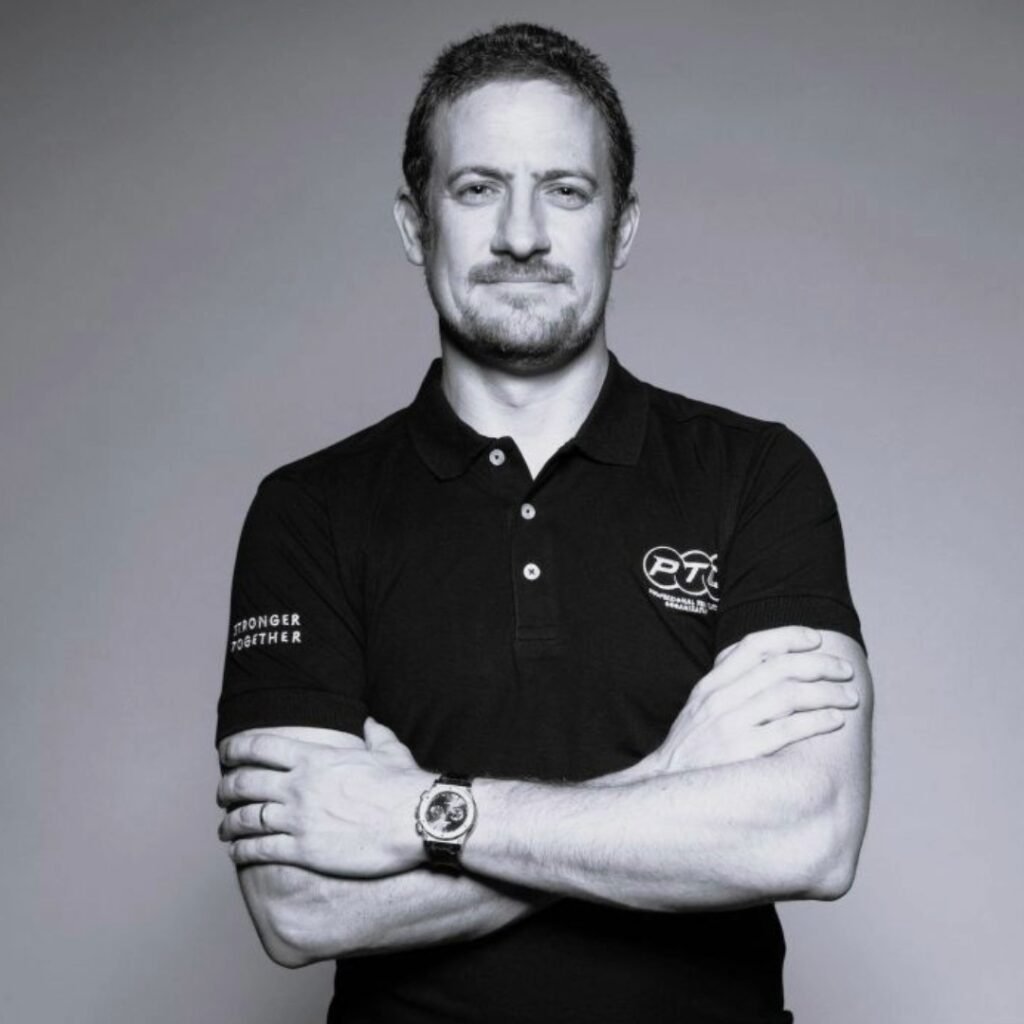
“This acquisition and investment into Challenge Family is a significant moment in the PTO journey, as we make the Triathlon World Tour a reality alongside our partners, World Triathlon, to create a single brand and competition structure that helps professionals, amateurs, fans, media, sponsors and other stakeholders more clearly understand and engage with our sport,” said PTO CEO Sam Renouf.
“Challenge Family’s respected event platform, community-driven ethos and operational expertise make them a natural partner, in addition to a shared vision to transform the sport and unlock its untapped commercial potential. I look forward to working closely with Jort [Challenge Family CEO], his dedicated team and their community of passionate race partners around the world to make this happen.”
Jort Vlam, CEO of Challenge Family
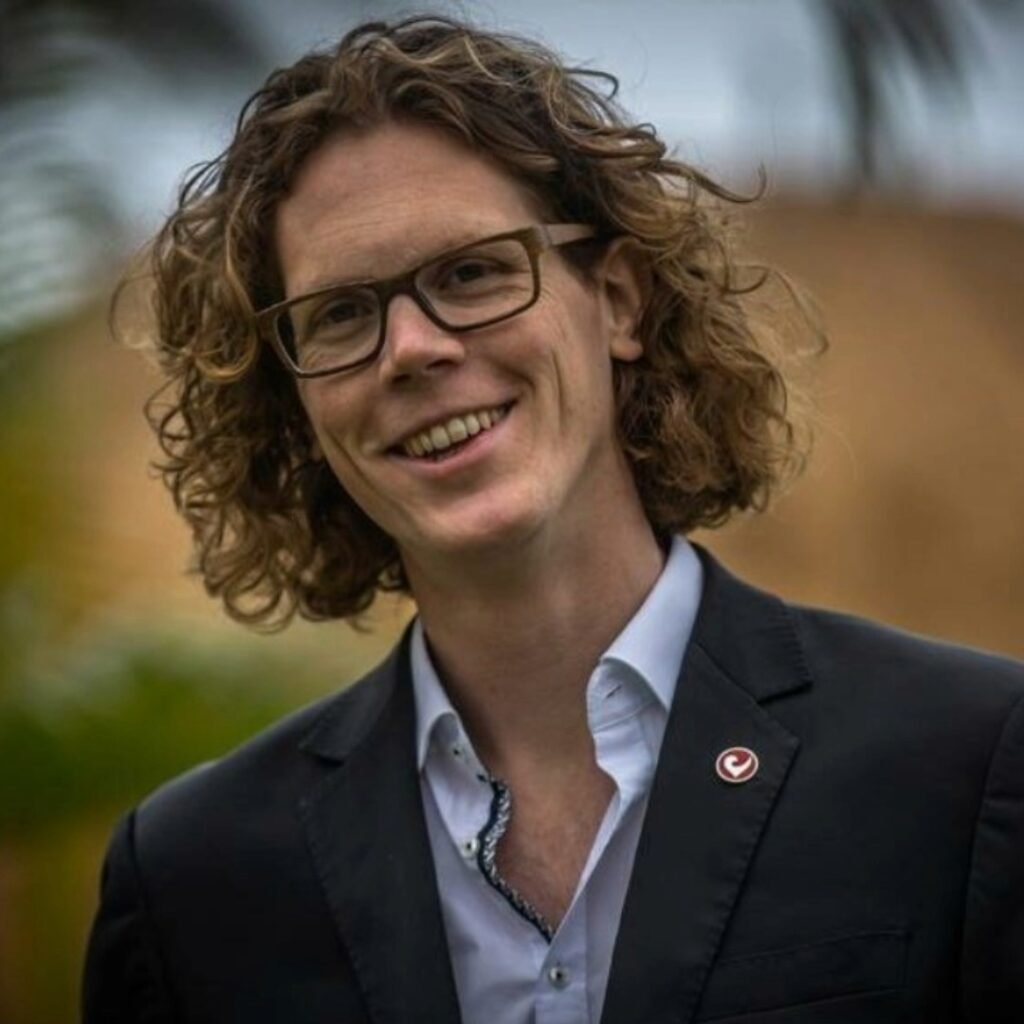
“Challenge Family and our race partners have spent more than two decades building a global series defined by strong local communities, athlete-first experiences, and a commitment to innovation. Joining forces with the PTO marks an important evolution in that journey. This partnership allows us to preserve what makes Challenge Family unique while contributing to a unified, globally recognized series that strengthens the sport’s long-term growth, commercial sustainability and global visibility. We are excited to work closely with the PTO, World Triathlon, and our race organisers worldwide to help shape a more connected, professional and inspiring future for triathlon.”
Antonio F. Arimany, President of World Triathlon
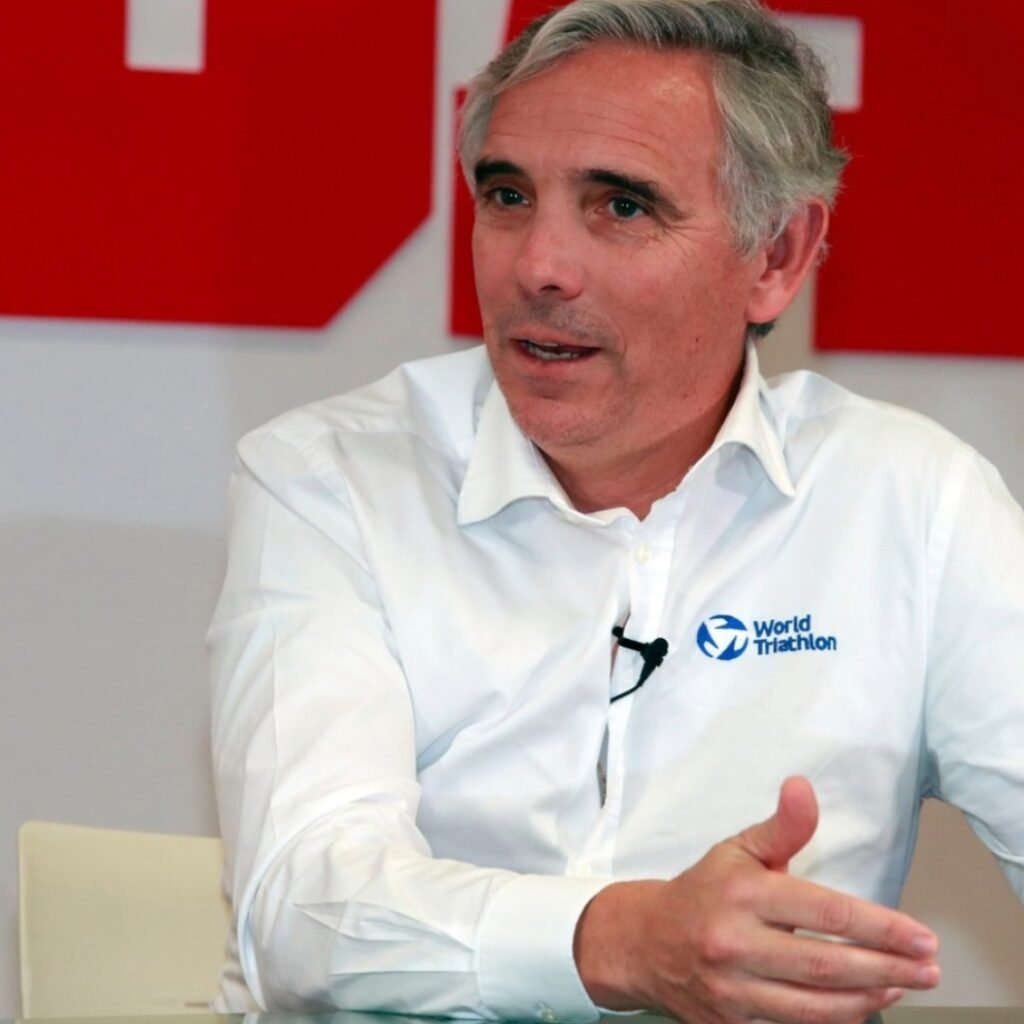
“World Triathlon is immensely proud of our strategic partnership with the PTO as we continue to build the Triathlon World Tour. By incorporating more events and welcoming more private event organisers to the Tour, we are creating a more unified and robust ecosystem for our sport. This expansion will provide significantly more opportunities for athletes to compete on a global stage and will also unlock greater commercial opportunities for all stakeholders, ensuring a sustainable and thriving future for triathlon at every level.”